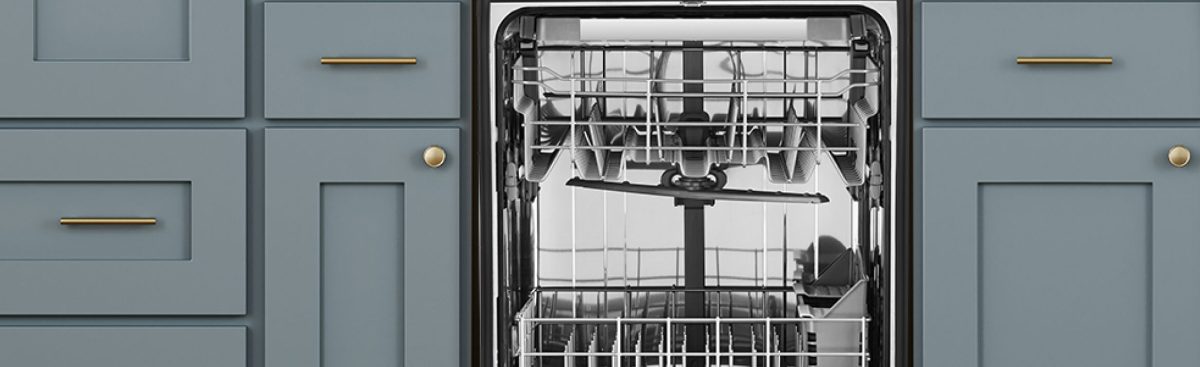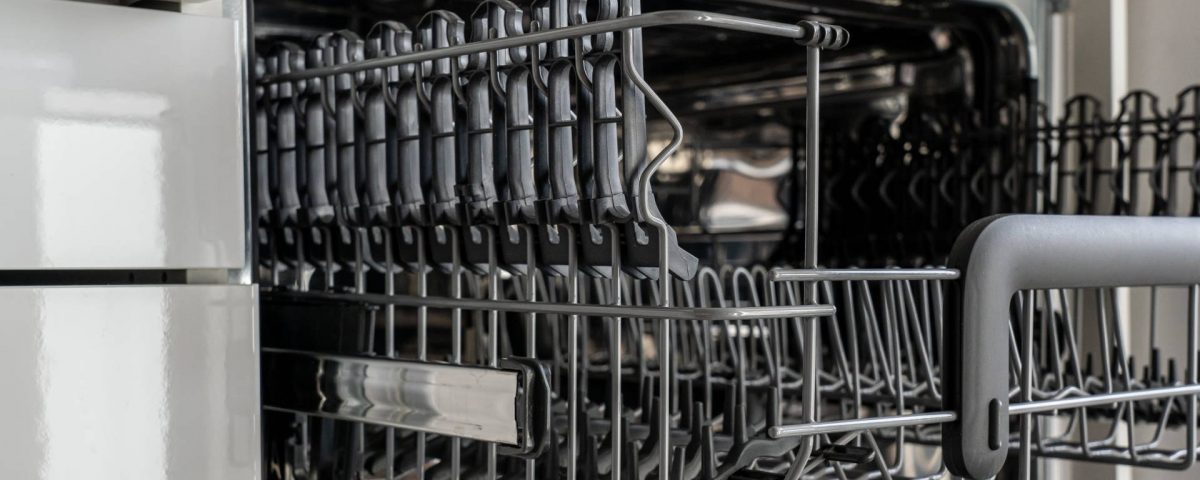


You've loaded the dishwasher, and you're all set to get on with your day without worrying about dirty dishes. Then, you find out the start button won't respond. Then, you realize your…

How to Fix a Malfunctioning LG Refrigerator With A Working Freezer
December 1, 2020
How To Fix Your Samsung Dryer That Isn’t Heating
December 9, 2020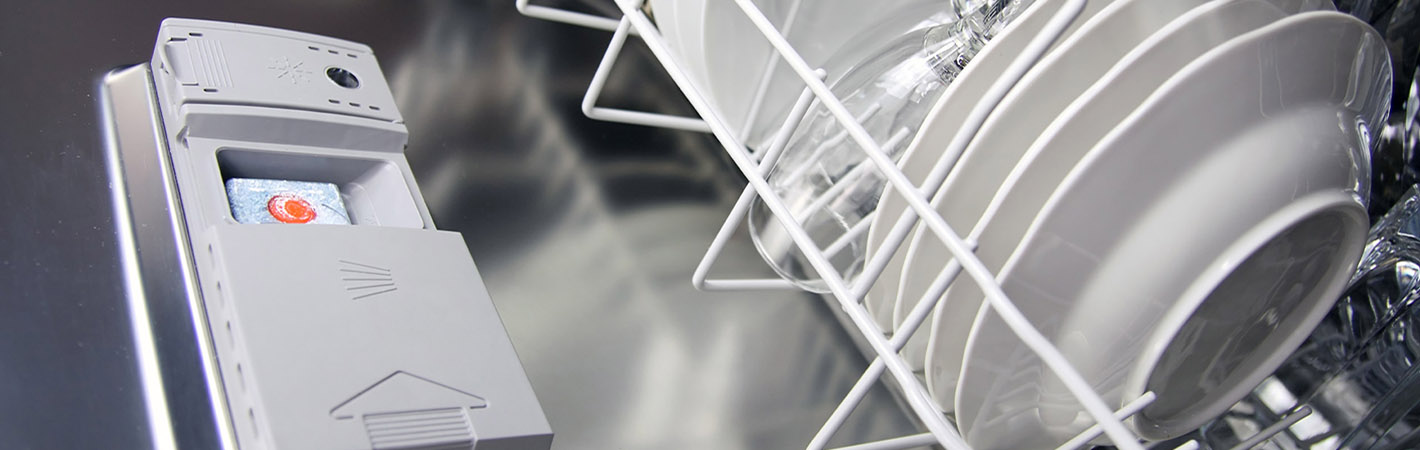
A Whirlpool dishwasher may leave dishes wet because the selected cycle does not include heated drying, rinse aid is low, items are loaded in a way that traps water, the vent cannot release moisture, or a drying component has failed. Start with the cycle, rinse-aid, and loading checks below. If the dishwasher also leaks, smells hot, trips a breaker, or shows electrical damage, stop using it and arrange professional service.
Reviewed and updated: August 11, 2026
Quick Diagnostic Summary
| What you notice | Likely explanation | What you can safely check |
|---|---|---|
| Mostly plastic items stay wet | Plastic cools quickly and does not retain heat like glass or ceramic | Confirm other materials are drying and use the recommended rinse-aid setting |
| Everything is wet after a short or eco cycle | The selected cycle or option may reduce drying | Review the model’s cycle guide and select its normal or drying option |
| Water pools on cups and bowls | Loading angle is trapping water | Angle concave items so water can drain and keep spray paths clear |
| Interior is steamy long after the cycle | Ventilation or fan-assisted drying may not be working correctly | Check only for an obvious, accessible obstruction; do not remove panels |
| No warmth at the end of a cycle | A heater, sensor, control, wiring, or model-specific drying system may need diagnosis | Record the model number, cycle, and any error code for a technician |
Safe Checks to Try First
- Confirm the cycle and drying option. Cycle names and drying behavior vary by Whirlpool model. Check the owner’s guide for the option intended to improve drying.
- Check the rinse-aid indicator. Rinse aid helps water sheet off dishes. Refill only with a product approved for automatic dishwashers and follow the model instructions.
- Adjust the load. Avoid nesting bowls, blocking spray arms, or placing cups flat enough to collect water. Keep lightweight plastic items secured.
- Clean the accessible filter. Follow the owner’s guide, turn the machine off, and clean only user-serviceable filter parts. A dirty filter can affect wash and rinse performance.
- Let the full cycle finish. Opening the door early can interrupt the drying stage. Some models use condensation drying and will not feel as hot as an exposed-heater design.
When the Dishwasher Needs Service
If the basic checks do not change the result, the cause may involve a vent, fan, heater, high-limit device, sensor, wiring connection, or electronic control. Those parts require model-specific testing. Do not bypass safety devices, test energized components, or remove the dishwasher from the cabinet unless you are trained to do so.
Stop using the appliance if you notice a burning smell, melting, smoke, an active leak, repeated breaker trips, or damaged wiring. For local help, see our dishwasher repair service in Denver.
Frequently Asked Questions
Why are plastic dishes wetter than glass dishes?
Plastic loses heat quickly, so water evaporates from it more slowly. Some remaining moisture on plastic can be normal even when the dishwasher is operating correctly.
Does every Whirlpool dishwasher use a visible heating element?
No. Drying systems vary by model and may use different combinations of retained heat, condensation, venting, fans, and heaters. Use the model number when checking the owner’s guide or scheduling diagnosis.
Can low rinse aid cause wet dishes?
Yes. Low rinse aid can leave more droplets on dishes and the tub. Refill and adjust it only according to the model instructions.
Need Dishwasher Repair in the Denver Metro Area?
Denver Appliance Repair Service has served area homeowners since 2005. Call for the next available appointment or schedule online.
Related posts